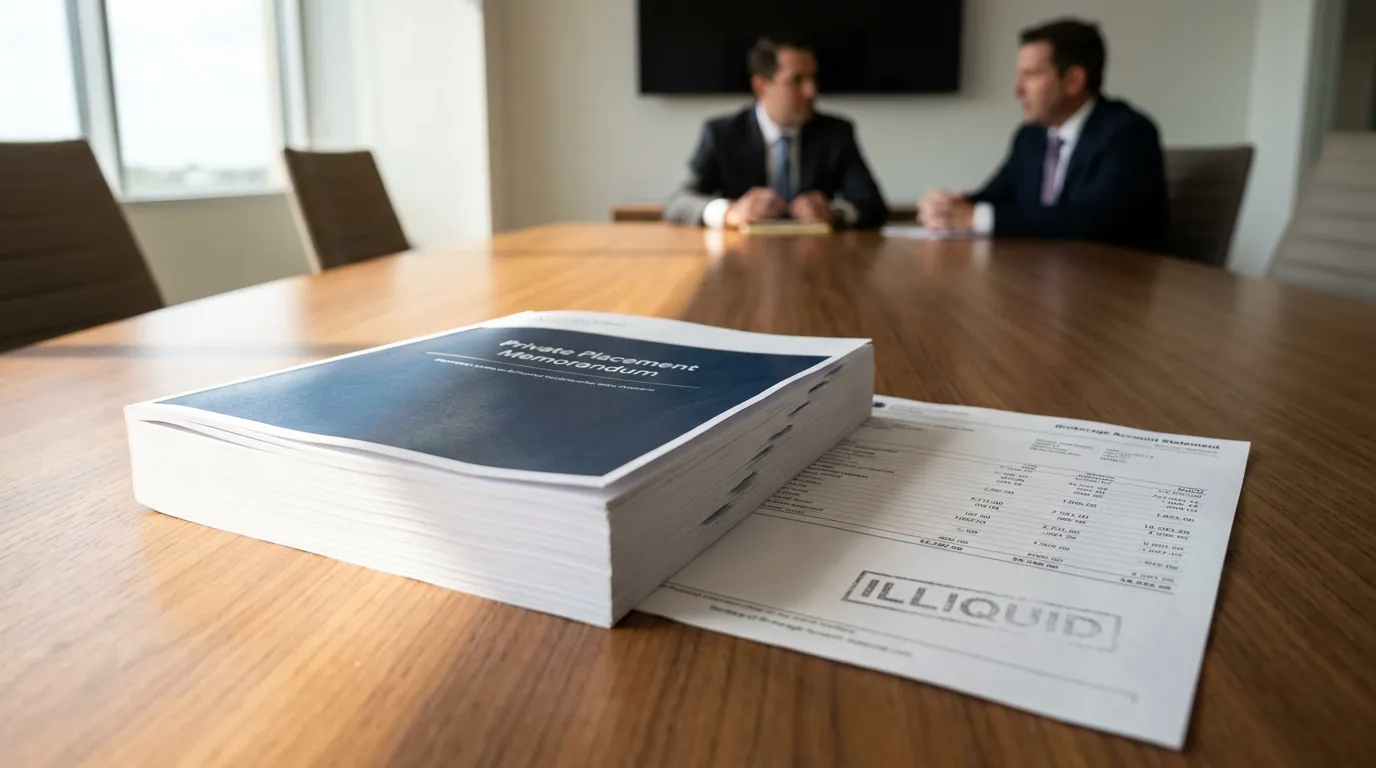
How to Preserve Evidence After a Crypto Account Breach in NY
Discovering your cryptocurrency account has been compromised can feel overwhelming, but immediate action is critical to pursuing civil recovery. In New York, crypto breach victims face unique challenges documenting losses and building cases against exchanges or responsible parties. Proper evidence preservation forms the foundation of successful civil claims for negligence, breach of contract, or data privacy violations. Whether compromised through phishing, SIM-swap attacks, social engineering, or credential stuffing, understanding how to secure and organize documentation can determine whether you recover your digital assets.
If your exchange account was recently compromised and you need guidance on preserving your legal options, Kaplan Rothstein Prüss Peraza, P.A can help. Call (888) 578-6255 or contact us online to discuss your situation.
Why Evidence Preservation Matters for Cryptocurrency Theft Recovery
Illicit crypto addresses received approximately $40.9 billion in cryptocurrency in 2024 according to Chainalysis, with projections suggesting this could exceed $51 billion as more illicit addresses are identified. This dramatic increase underscores why New York victims must act quickly to document losses. Unlike traditional financial fraud, cryptocurrency transactions occur on decentralized networks where recovery depends heavily on establishing clear evidentiary records.
Scammers direct victims to send money via crypto because it enables quick movement of stolen funds and makes recovery difficult. This reality makes documentation essential. When pursuing civil claims against an exchange for negligence or security failures, the quality and completeness of your evidence directly impacts your ability to prove damages and establish causation.
💡 Pro Tip: Begin documenting everything the moment you suspect unauthorized access. Even if you later determine no theft occurred, having contemporaneous records protects your interests should you need to pursue civil remedies.

Essential Documentation to Gather Immediately After a Crypto Hack
Time-sensitive evidence can disappear quickly after a cryptocurrency breach, making immediate action essential. Your exchange may only retain certain records for limited periods, and blockchain data requires proper context to be meaningful in civil proceedings.
Account and Transaction Records
Your first priority should be capturing a complete picture of your account before and after the breach. Download or screenshot all available transaction histories, including deposits, withdrawals, trades, and transfers. Pay particular attention to unauthorized transactions, noting exact timestamps, amounts, and destination wallet addresses.
Gather the following documentation:
- Complete transaction history from your exchange account
- Account balance statements from before the breach
- Records of all unauthorized transfers with destination addresses
- Screenshots of account settings and security configurations
- API access logs or connected application records
- Email confirmations of transactions you did not initiate
Communication and Login Evidence
Every interaction with the exchange following the breach creates valuable evidence for your civil case. In New York, businesses experiencing security breaches must notify affected consumers, so retain any breach notification communications. Document all login attempts, IP addresses associated with account access, and security alerts the platform sent before or during unauthorized access.
Take detailed notes from all conversations with company representatives and keep written material about the security breach. This documentation practice aligns with guidance from the NY Department of Financial Services and helps establish a timeline of events.
💡 Pro Tip: Create a dedicated folder on your computer and cloud storage for all breach-related documents. Organize files chronologically and maintain backups in multiple locations to prevent evidence loss.
How to Recover Stolen Cryptocurrency Through Proper Documentation
Successful cryptocurrency recovery through civil litigation requires proving several key elements: unauthorized access occurred, the exchange or another party bears responsibility, and you suffered quantifiable damages. Understanding how to recover stolen cryptocurrency starts with building an evidence package that addresses each element clearly.
Under federal law, specifically 18 U.S.C. § 1030 (the Computer Fraud and Abuse Act), it is a crime to intentionally access a protected computer without authorization. While primarily governing criminal matters, this statute also provides civil remedies for victims under subsection (g). Any person who suffers damage or loss may maintain a civil action to obtain compensatory damages and injunctive relief, provided the conduct involves statutory threshold factors and the action is brought within two years of discovery.
This civil remedy provision incentivizes proper evidence preservation from the outset. Your documentation should demonstrate both that unauthorized access occurred and establish the connection between that access and your specific cryptocurrency losses.
| Evidence Type | Purpose in Civil Case | Retention Priority |
|—————|———————-|——————-|
| Transaction logs | Proves unauthorized transfers | Critical |
| Login records/IP data | Establishes unauthorized access | Critical |
| Exchange communications | Documents notification and response | High |
| Security settings history | Shows account protections in place | High |
| Wallet addresses | Enables blockchain analysis | Critical |
| Personal notes and timeline | Provides narrative context | Medium |
💡 Pro Tip: When documenting cryptocurrency values, record both the amount of crypto stolen and its value in USD at the time of theft. Market volatility means these figures may differ significantly, and courts may consider either depending on circumstances.
Blockchain Transaction Records and Digital Asset Theft Evidence
Blockchain technology creates a permanent, immutable record of every transaction, which can be both an advantage and a challenge for theft victims. While the blockchain preserves evidence of where stolen cryptocurrency went, interpreting and presenting this data effectively requires careful documentation connecting your account to unauthorized transactions.
Capture the blockchain transaction hashes for all unauthorized transfers from your account. These alphanumeric identifiers serve as unique fingerprints for each transaction and allow anyone to verify transfer details on the public blockchain. Combined with your exchange records showing the same transactions, this creates a verifiable chain of evidence.
Blockchain analysis can trace stolen funds through multiple wallet addresses, potentially identifying patterns or endpoints that support your civil case. If you are researching crypto theft recovery attorneys in New York, look for counsel with experience interpreting blockchain evidence and presenting it effectively in civil proceedings.
Building a Civil Case for Exchange Account Takeover in NY
New York provides several potential avenues for civil recovery following a crypto account breach, depending on circumstances. Claims may include negligence if the exchange failed to implement reasonable security measures, breach of contract if the platform violated its user agreement, or data privacy violations if the breach resulted from inadequate protection of your personal information.
Establishing Unauthorized Access and Causation
Your evidence must establish that unauthorized access occurred and directly caused your cryptocurrency losses. This requires connecting the security failure or third-party intrusion to specific unauthorized transactions that depleted your account. Courts require clear documentation showing the timeline of events, security measures you had in place, and how those measures were circumvented.
Wire fraud under 18 U.S.C. § 1343 prohibits schemes to defraud that use interstate wire communications. Understanding this framework helps victims appreciate why documenting the electronic nature of the breach matters for civil proceedings.
Monitor your financial statements for signs of fraud and report suspicious activity immediately. This prompt action demonstrates your diligence as a victim and helps establish the timeline courts expect in crypto fraud documentation.
💡 Pro Tip: If you used two-factor authentication, document exactly what type you used and gather evidence that it was either bypassed or compromised. This information is critical for claims alleging exchange negligence in security protocols.
Common Mistakes That Compromise Crypto Fraud Documentation
Many crypto theft victims inadvertently damage their civil cases by taking actions that compromise evidence or undermine credibility. Avoiding these common mistakes can significantly improve your chances of successful recovery.
Do not delay documentation or assume you can recreate records later. Exchange platforms may update interfaces, modify data retention policies, or limit access to historical information. Capture everything immediately.
Avoid communicating with the suspected hacker or engaging in recovery scam schemes. Bad actors frequently target breach victims with fraudulent offers to recover stolen funds, creating additional losses and complicating the evidentiary record.
Preserve your compromised devices and credentials rather than immediately changing everything. While you should secure your accounts, forensic analysis of the original attack vector may prove valuable. Consider consulting with counsel before making changes that could eliminate evidence.
If you have questions about whether NY crypto lawyers can help you recover stolen funds, gathering your documentation first strengthens any potential consultation.
💡 Pro Tip: Consider placing a security freeze or fraud alert with credit bureaus after a breach. A security freeze makes it harder for someone to open accounts or borrow money in your name.
Frequently Asked Questions
1. How long do I have to gather evidence after a crypto account breach in New York?
While New York does not impose a specific deadline for evidence gathering, acting within the first 24 to 72 hours is critical. Exchanges may only retain detailed login and transaction data for limited periods. Civil statutes of limitations vary depending on legal theory, so prompt documentation preserves your options.
2. What if my exchange will not provide records of the unauthorized transactions?
Document your requests for information and any refusals or delays in writing. Many exchange user agreements include provisions regarding record access, and unreasonable denial may itself support claims against the platform. Your own contemporaneous screenshots and records become even more valuable when exchange cooperation is limited.
3. Can blockchain records alone prove my cryptocurrency was stolen?
Blockchain records demonstrate that transactions occurred but require context to prove theft. You must connect blockchain data to evidence showing the transactions were unauthorized, typically through login records, device information, and communications establishing you did not initiate the transfers.
4. Should I continue using my compromised exchange account while gathering evidence?
Secure your account but avoid making unnecessary changes that could complicate the evidentiary record. Change passwords and enable additional security measures, but consider preserving the account state otherwise until you have captured all available documentation.
5. What documentation do I need to prove the value of my stolen cryptocurrency?
Gather records showing your original purchase prices, the amount of cryptocurrency held, and market values at the time of theft. Exchange statements, bank records of fiat deposits, and historical price data all help establish damages. Courts may consider acquisition cost, market value at time of theft, or other valuation methods depending on circumstances.
Protecting Your Path to Recovery
Preserving evidence after a crypto account breach requires immediate, methodical action to document every aspect of unauthorized access and resulting losses. From capturing blockchain transaction records to maintaining detailed notes of all communications, the steps you take in the hours and days following a breach directly impact your ability to pursue civil recovery. New York victims of exchange account takeovers have legal options, but those options depend on building a strong evidentiary foundation that establishes unauthorized access, proves causation, and quantifies damages with precision.
If you have experienced a cryptocurrency account breach and need guidance on protecting your legal rights, Kaplan Rothstein Prüss Peraza, P.A has extensive experience helping victims pursue recovery. Call (888) 578-6255 or reach out through our contact form to discuss how we can assist with your crypto theft documentation and recovery efforts.