The Rise of Securities Enforcement 2026 and Florida Statute 517.211 Rescission Damages
Key Takeaways: The SEC Retail Fraud Working Group launched in July 2026 signals a renewed federal focus on retail investor protection and broker misconduct claims. Florida investors already have a layered state framework, including registration, licensing, and anti-fraud provisions strengthened effective October 1, 2024. Florida Statute 517.211 gives defrauded purchasers a direct civil remedy, including rescission or damages against sellers and individuals who participated in a sale. Florida’s amended Securities Guaranty Fund is unusually broad, reaching confirmed unpaid arbitration awards in addition to court judgments. Most investor disputes with brokerage firms proceed through FINRA arbitration, and outcomes depend heavily on specific facts. Investors weighing a claim should understand how federal enforcement and state remedies may work together.
Federal regulators sharpened their attention on everyday investors this summer. The formation of a dedicated SEC Retail Fraud Working Group in July 2026 has drawn national attention, and it raises a practical question for people who have lost money to a broker: what does heightened securities enforcement 2026 actually mean for me? For residents of Miami and West Palm Beach, the answer depends on how federal initiatives intersect with Florida’s own investor-protection regime. This article explains that intersection and why the timing matters for anyone researching investor fraud recovery.

The Legal Backdrop Behind Federal Retail Fraud Enforcement
Federal anti-fraud authority begins with the Securities Act of 1933. The core provision, Section 17(a), makes it unlawful to obtain money through untrue statements of material fact, to omit material facts, or to engage in a course of business that operates as a fraud or deceit upon the purchaser. That statutory language gives a federal working group broad reach when it targets deceptive sales practices aimed at ordinary investors. It is the doctrinal foundation on which most federal retail fraud initiatives rest.
A related common-law concept adds texture to how regulators pursue retail-facing misconduct. The so-called shingle doctrine holds that a broker or dealer who "hangs out a shingle" to the public makes an implied representation of fair dealing. This idea evolved from federal case law under Section 17(a) addressing excessive mark-ups by dealers who sell securities to the public. For investors, it reinforces the principle that a broker cannot hide behind silence when fair dealing is implied.
Florida does not rely solely on federal oversight. The state maintains its own securities regime under Chapter 517, Florida Statutes, which regulates the offer and sale of securities and registers state investment advisers and broker-dealers. Effective October 1, 2024, that chapter was overhauled to expand intrastate capital-raising while strengthening licensing and anti-fraud provisions. This dual structure means a Miami investor may have both federal and state avenues to consider.
Florida Statute 517.211 Rescission Damages Explained
Florida gives defrauded purchasers a direct civil remedy through statute. Under section 517.211(1), every sale made in violation of the registration provision in s. 517.07 or specified subsections of the dealer and agent provision in s. 517.12 may be rescinded at the election of the purchaser. This is the statutory foundation for what practitioners call florida statute 517.211 rescission damages. It gives investors a defined path rather than leaving them to general negligence theories alone.
The remedy reaches beyond the selling entity. The statute provides that each seller, and every director, officer, partner, or agent who personally participated or aided in making the sale, is jointly and severally liable to the purchaser. That liability can support an action for rescission if the purchaser still owns the security, or for damages if the purchaser has already sold it. For victims, this expanded reach can matter when a single firm cannot satisfy a judgment.
The statute also measures recovery with precision. Under section 517.211(5), an investor who has already sold the security may recover an amount equal to the difference between: (a) the consideration paid for the security or investment, plus interest thereon at the legal rate from the date of purchase, and (b) the value of the security at the time it was disposed of by the plaintiff, plus the amount of any income received on the security or investment by the plaintiff. There is an important condition: obtaining rescission generally requires the purchaser to tender the security back to the seller, and the remedy remains subject to strict procedural and timing requirements. Because these mechanics are fact-sensitive, outcomes can vary from case to case.
A Hypothetical Miami Investor Caught in the Crosshairs
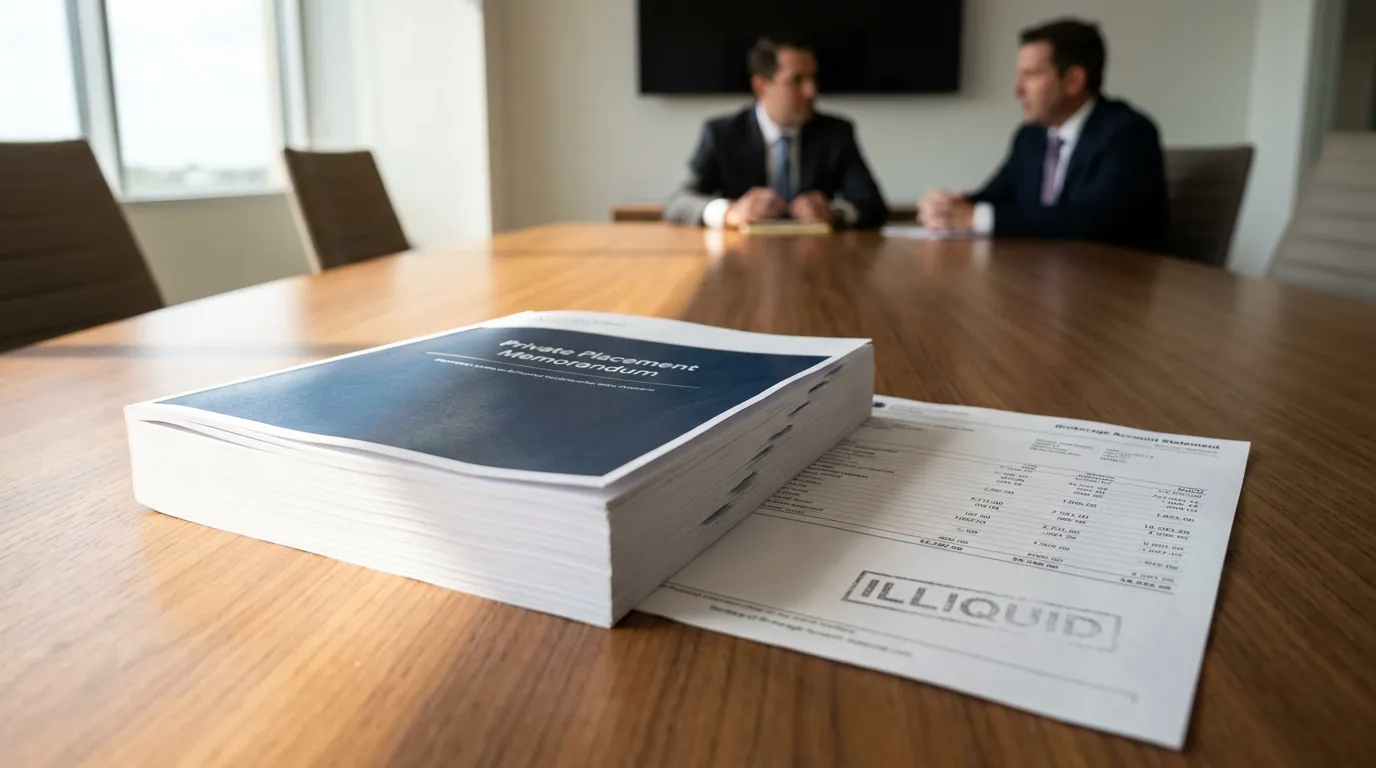
Consider a retired Miami couple who trusted a local broker with their savings. Suppose the broker steered them into an unregistered private placement that was pitched as safe and income-producing, then went silent as the product collapsed. When the couple asked questions, they learned the offering was never properly registered and the representative had glossed over material risks. Their situation illustrates the kind of unsuitability and misrepresentation claims that state remedies and federal enforcement both address.
In a scenario like this, several theories may overlap. The couple might explore rescission under the state statute, a negligence-based claim for breach of suitability obligations, and participation in any restitution fund. Florida ranks among the states most affected by financial fraud, and understanding how a Miami attorney can help with investor fraud recovery is often the first step. No result is guaranteed, and the strength of each theory depends on the specific records and timeline.
How State Remedies and FINRA Arbitration Fit Together
Most disputes between investors and brokerage firms do not proceed in traditional court. Instead, customer agreements generally require claims to move through FINRA arbitration, a private forum with its own rules on discovery, evidence, and hearings. Even so, arbitrators may apply substantive Florida law, including statutory remedies, when deciding a claim. This is why understanding both the forum and the governing law matters.
Unpaid awards remain a stubborn problem nationwide. According to FINRA data cited in Florida legal commentary, roughly 27 percent of arbitration awards go unpaid, which turns a paper victory into a hollow one for many claimants. Florida responded by amending its Securities Guaranty Fund, and the state now stands as the only one to provide recovery for confirmed unpaid arbitration awards in addition to final court judgments. That distinction can be significant when a broker or firm lacks the assets to pay.
Investors weighing a claim often benefit from a structured approach. The following considerations frequently arise in broker misconduct claims:
- Whether the security was properly registered or fell within a valid exemption
- Whether the broker made misrepresentations or omitted material facts
- Whether the account showed signs of unauthorized trading, churning, or unsuitable allocation
- Whether trading records and communications have been preserved
- Whether a written rescission offer has been received and what deadline may apply
Negligence claims carry their own statutory limits in Florida. Under the state’s modified comparative negligence standard in section 768.81(6), a party found more than 50 percent at fault for his or her own harm may not recover damages in a negligence action. You can review the full text of Florida’s comparative fault statute to understand how allocation of fault can limit recovery. This is one reason statutory securities remedies sometimes offer a cleaner path than negligence alone.
How Does This Impact Me?
What Does the SEC Retail Fraud Working Group Mean for My Case?
The working group signals increased federal attention, not a change to your private rights. Enhanced securities fraud enforcement at the federal level may surface misconduct, but your individual recovery generally still flows through private remedies such as statutory rescission or FINRA arbitration. Whether federal activity affects your matter depends on the specific facts and parties involved.
Does Florida Statute 517.211 Apply to My Losses?
It may apply if your securities were sold in violation of Florida’s registration or dealer-agent provisions. The statute allows rescission or damages under defined conditions, and it can reach individuals who personally participated in the sale. Because eligibility turns on registration status, timing, and tender requirements, a case-specific review is generally necessary.
Do I Have to Use FINRA Arbitration?
In many cases, yes, because customer agreements commonly require it. Arbitration has different procedures than court, though arbitrators may still apply Florida statutory law. There can be exceptions depending on the language of your agreement and the nature of the claim.
How Long Do I Have to Bring a Claim?
Deadlines vary by the type of claim and are interpreted narrowly by courts. Statutory securities claims, negligence claims, and any administrative processes each carry their own timelines, and discovery-based extensions are not automatic. Because missing a deadline can bar recovery entirely, confirming the applicable period early is prudent.
What Should I Focus On First?
Preserving records is often the most valuable early step. Account statements, trade confirmations, emails, and marketing materials can be central to proving misrepresentation, unauthorized trading, or unsuitability. An florida statute 517.211 rescission damages lawyer can help evaluate how those records support a potential claim.
Where Federal Momentum Meets Florida’s Investor Protections
The July 2026 federal initiative arrives as Florida’s own protections stand at their strongest. Between the modernized Chapter 517, the expanded Securities Guaranty Fund, and the direct civil remedy in the state statute, Miami investors have several tools that may work alongside federal securities fraud enforcement. Oversight at the state level is administered by the Florida Division of Securities, which regulates offerings and examines firms for compliance. The practical value of these tools still depends on the facts of each situation.
None of this guarantees a particular outcome, and that limitation deserves emphasis. Securities claims are fact-intensive, deadlines are enforced strictly, and the availability of florida statute 517.211 rescission damages depends on how a security was sold and how promptly an investor acts. Understanding the landscape, however, puts investors in a far stronger position than reacting after a deadline has passed.
If you believe broker misconduct contributed to your losses, informed guidance can help you weigh your options. Kaplan Rothstein Prüss Peraza, P.A is recognized for handling investment loss and stockbroker negligence matters for investors in Miami and beyond. To learn more about how these developments may affect your situation, you can reach our Miami team or call [(888) 578-6255]((888) 578-6255).