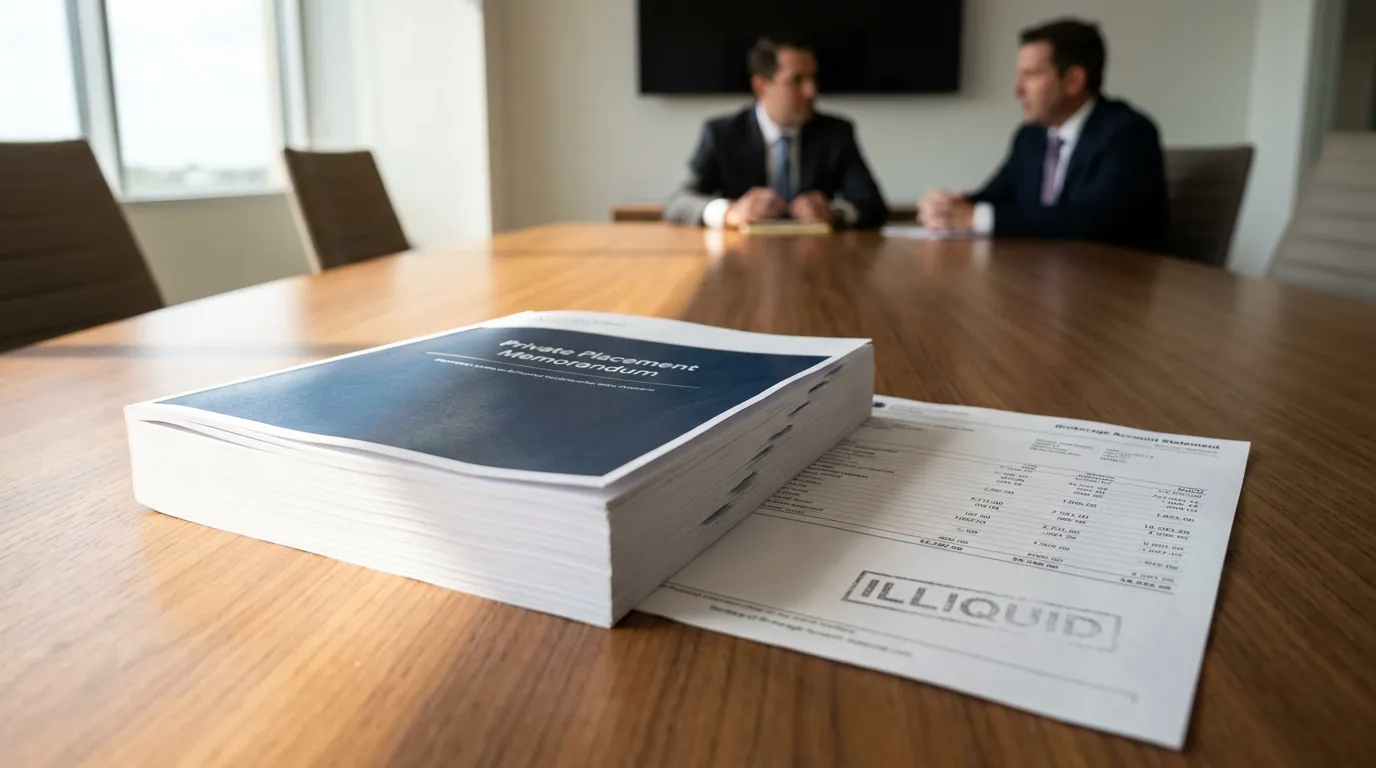
Miami Investors and the FINRA Rule 12206 Timing Question
If you lost money because of stockbroker misconduct, the single most urgent question is often when your window to file closes. The finra rule 12206 six year rule lawyer team at Kaplan Rothstein Prüss Peraza, P.A works with investors who need a straight answer on finra claim timing. Here is the direct answer: the six-year clock generally starts from the occurrence or event that gave rise to your claim, not automatically from the date you bought the investment and not from the date you discovered your loss.
FINRA Rule 12206 sets a six-year eligibility window for arbitration claims. The clock starts from the occurrence or event giving rise to the claim, and because the rule fixes no single trigger date, the FINRA arbitration panel decides case by case when the six years began to run. It is an eligibility bar, not a statute of limitations, so if a claim is ruled ineligible, it is not erased and may still be pursued in court, subject to any applicable statute of limitations. If you are unsure where you stand, call KRP2 at (888) 578-6255 or reach us through our claim evaluation page to have your timeline reviewed.
Understanding the FINRA Rule 12206 Six Year Rule
The core of the rule is a filing window, not a fixed calendar deadline. The rule text of FINRA Rule 12206 states that no claim shall be eligible for submission to arbitration under the Code where six years have elapsed from the occurrence or event giving rise to the claim. That language matters because most investor-broker disputes must proceed in arbitration in the first place. If you want the plain-English mechanics of that forum, our explainer on how FINRA arbitration helps Miami investors walks through the basics that this article builds on.
The reason arbitration is usually the forum is that brokerage account agreements commonly route disputes away from the courtroom. Many brokerage firms include pre-dispute arbitration clauses under which the client agrees to resolve disputes in arbitration rather than sue in court, and even absent such a clause a customer can compel arbitration under FINRA Rule 12200. Because of that, the six year rule finra applies is often the only timing bar that stands between you and a recovery, which is why understanding the trigger date is so important.
When the Clock Actually Starts on the Six Year Clock
Figuring out when clock starts is rarely as simple as the brokerage firm claims. The rule ties the six year clock to the underlying occurrence or event, and that phrase leaves real room for argument in your favor. Below are the three scenarios investors encounter most often.
Why the Purchase Date Is Usually the Wrong Answer
Brokerage firms frequently argue the clock started the day you bought the investment, but that is often incorrect. The rule does not say the occurrence is the date of purchase, and treating the purchase as the automatic trigger ignores later misconduct that may have caused your loss. In many unsuitability or misrepresentation matters, the harmful event is the advice, the concealment, or the mismanagement that followed the initial transaction. Courts and panels evaluate these facts closely, so the purchase date is a starting argument, not a settled conclusion.
The Panel Decides Eligibility Case by Case
No single trigger date is written into the rule, so a human panel makes the call. The rule provides that the panel will resolve any questions regarding the eligibility of a claim under this rule. This means the start of your six years is a fact-dependent determination that turns on your specific account history, communications, and the nature of the misconduct alleged. Because outcomes vary with the facts, two investors with similar losses can face very different eligibility analyses.
Ongoing Misconduct and Continuing Harm
Where misconduct continued over time, later events can fall within the window even if the account is old. Arbitrators may find a continuing occurrence or event, such as allegations of ongoing misrepresentation or fraud that persisted to a date within six years of filing. We frame this as a possibility your advocate can fight for, not a guarantee, because panels and courts interpret these theories narrowly and only in limited circumstances. Still, an aging loss does not always mean a closed door.
💡 Pro Tip: Preserve every account statement, confirmation, and written communication from your broker. These records often determine which "occurrence" a panel treats as the trigger for the six year clock.
Eligibility Rule Versus Statute of Limitations
A dismissal under the six year rule does not extinguish your claim, and that distinction is the heart of finra arbitration eligibility. The rule expressly provides that it does not extend applicable statutes of limitations, and separately that dismissal of a claim under this rule does not prohibit a party from pursuing the claim in court. In plain terms, an eligibility bar controls whether you can use the arbitration forum, while a statute of limitations controls whether the underlying legal claim still exists.
These are two separate clocks, and confusing them can cost you real rights. The following points capture the practical difference for investor claim eligibility:
- The six year rule governs whether FINRA arbitration will accept your case.
- A statute of limitations, set by state or federal law, governs the survival of the underlying claim.
- A dismissal for ineligibility may still leave a path to court, depending on the facts and applicable deadlines.
- The two do not run in lockstep, so meeting one does not guarantee meeting the other.
How Brokerage Firms Raise the Six Year Bar
Firms cannot simply ignore an old claim; they must invoke the finra 12206 deadline through a specific procedure. The rule requires that motions under this rule must be made in writing, and must be filed separately from the answer, and only after the answer is filed. When a firm files that motion, the rule provides that if the panel dismisses the claim, the investor may withdraw any remaining related claims without prejudice and pursue them in court. KRP2’s attorneys are recognized authorities on securities arbitration and brokerage-firm liability, and we regularly contest these time-bar motions by pressing the panel to identify the correct occurrence or event.
What happens next depends on how the panel views your facts. A denied motion allows your case to move forward inside arbitration. A granted motion does not automatically end everything, because the rule preserves the option to take related claims to court. That is exactly why the eligibility-versus-limitations distinction is not academic.
The Six Year Rule for Miami and Florida Investors
For Miami investors, a state law framework operates alongside the federal FINRA timeline. Florida’s securities regime under Chapter 517 securities law governs securities transactions in the state, and Fla. Stat. § 517.312 addresses securities, investments, boiler rooms, prohibited practices, and remedies. These state statutory remedies are separate from the procedural eligibility timeline that Rule 12206 imposes in arbitration. In other words, the FINRA clock and Florida’s substantive protections can both be in play at once.
KRP2 represents investors nationwide, with touchpoints in Miami and West Palm Beach, and has recovered more than $200M for clients. For anyone weighing miami securities arbitration, that dual layer is an advantage rather than a complication, because it can create more than one route to accountability. We evaluate both the federal eligibility question and any available Florida statutory theory when we assess a matter. Outcomes always depend on the specific facts, so this overview is general information rather than advice about your case.
What Is Changing in FINRA’s 2026 Arbitration Review
FINRA is reviewing its arbitration rules, but current claims remain governed by the existing procedures. FINRA published Regulatory Notice 26-06 on March 2, 2026, requesting public comment, with a comment period that expired May 1, 2026. The notice describes the request as part of FINRA’s continuous-improvement effort and frames its Dispute Resolution Services as a fair and efficient alternative to litigation that promotes investor protection and market integrity. It is a request for comment, not a final rule change.
Until any amendment is adopted, the six-year eligibility framework still controls finra claim timing. That means investors should not assume the rules will loosen or that a pending review pauses their deadlines. If reform arrives, it will apply on its own terms, and we monitor these developments so our clients are not caught off guard.
Frequently Asked Questions
When does the FINRA Rule 12206 six-year clock start? It generally runs from the occurrence or event giving rise to the claim, decided case by case by the arbitration panel, and it is not automatically the purchase date.
Is the six-year rule the same as a statute of limitations? No. It is an eligibility rule, and a dismissal for ineligibility does not extend applicable statutes of limitations or erase the claim, which may still be pursued in court in some circumstances.
Can I still file if my losses are more than six years old? Possibly. Where there is ongoing or continuing misconduct that reaches a date within six years of filing, a panel may find a qualifying occurrence, though these theories are read narrowly.
Do the six-year rule and Florida law both apply to Miami investors? Yes. Florida’s Chapter 517 substantive remedies operate alongside the separate federal FINRA procedural eligibility timeline.
Who decides whether my claim is eligible? The FINRA arbitration panel resolves eligibility questions, typically after the firm files a separate written motion to dismiss following its answer.
Protecting Your Recovery Before the Window Closes
The finra rule 12206 six year rule is nuanced, fact-driven, and too important to guess about. The clock does not always start when the brokerage firm says it does, the eligibility bar is not a statute of limitations, and Miami investors have a Florida law layer that many national discussions ignore. Because eligibility is decided case by case, an early and accurate read of your timeline can shape your entire strategy. Time still matters, so acting sooner rather than later generally protects more of your options.
When you are ready to hold a negligent broker accountable, KRP2 is prepared to fight for your recovery. Learn how our team pursues investor losses by visiting Kaplan Rothstein Prüss Peraza, P.A and letting us assess where your claim stands.