Reading a July 2026 FINRA Rule 8210 Broker Bar Through the Finra Rule 12206 Six-Year Eligibility Lens
Key Takeaways: When a broker is barred in July 2026, investors should quickly assess whether their losses are still recoverable and how long they have to act. Rule 8210 gives FINRA the power to demand records, and refusal often leads to a permanent bar. That bar can signal the need to review your account. Florida law and FINRA arbitration rules each impose deadlines, and the finra rule 12206 six-year eligibility rule may limit which claims can be heard. Timing matters.
A wave of FINRA disciplinary activity tends to surface every summer, and July 2026 was no exception for the Miami brokerage community. When a barred-broker notice lands, it rarely tells the full story of what happened inside client accounts. For investors in Miami, West Palm Beach, and beyond, that public notice can be the first clue that unsuitable recommendations, unauthorized trading, or churning may have quietly drained a portfolio. Understanding how attorneys read these bars can help you evaluate whether recovery is still possible.
The Legal Backdrop Behind Rule 8210 Bars
FINRA’s investigative authority begins with a records demand. Under FINRA Rule 8210, members and associated persons must turn over requested books, records, accounts, and testimony to FINRA staff and adjudicators. The rule permits staff to require information orally, in writing, or electronically, and to compel testimony at a designated location. This compulsion power drives most enforcement inquiries.
The rule explains why so many matters end in a permanent bar. It flatly prohibits any member or person from failing to provide requested information or to permit inspection and copying of records. When a broker refuses to respond, FINRA frequently pursues a bar rather than a fine, because the refusal itself is a violation. That is why a Rule 8210 bar sometimes reflects silence rather than a full airing of the underlying conduct.
From Investigation to Bar
Investigations often reach brokers before the public ever hears a word. FINRA opens matters from surveillance reports, examination findings, customer complaints, tips, and referrals, treating these inquiries as confidential until formal action. Many brokers first learn of their exposure when a Rule 8210 request arrives. The rule treats notice as received once transmitted to a broker’s last known business or residential address.
Disciplinary matters generally travel one of two paths. FINRA may resolve a case through a negotiated settlement, called a Letter of Acceptance, Waiver and Consent, or file a formal complaint with the Office of Hearing Officers for a contested hearing. Sanctions can escalate from fines and suspensions to permanent bars in cases of serious misconduct. You can review the agency’s stated mission and priorities on the FINRA enforcement program page, which frames its work around removing bad actors and protecting investors.
A Miami Investor’s Story
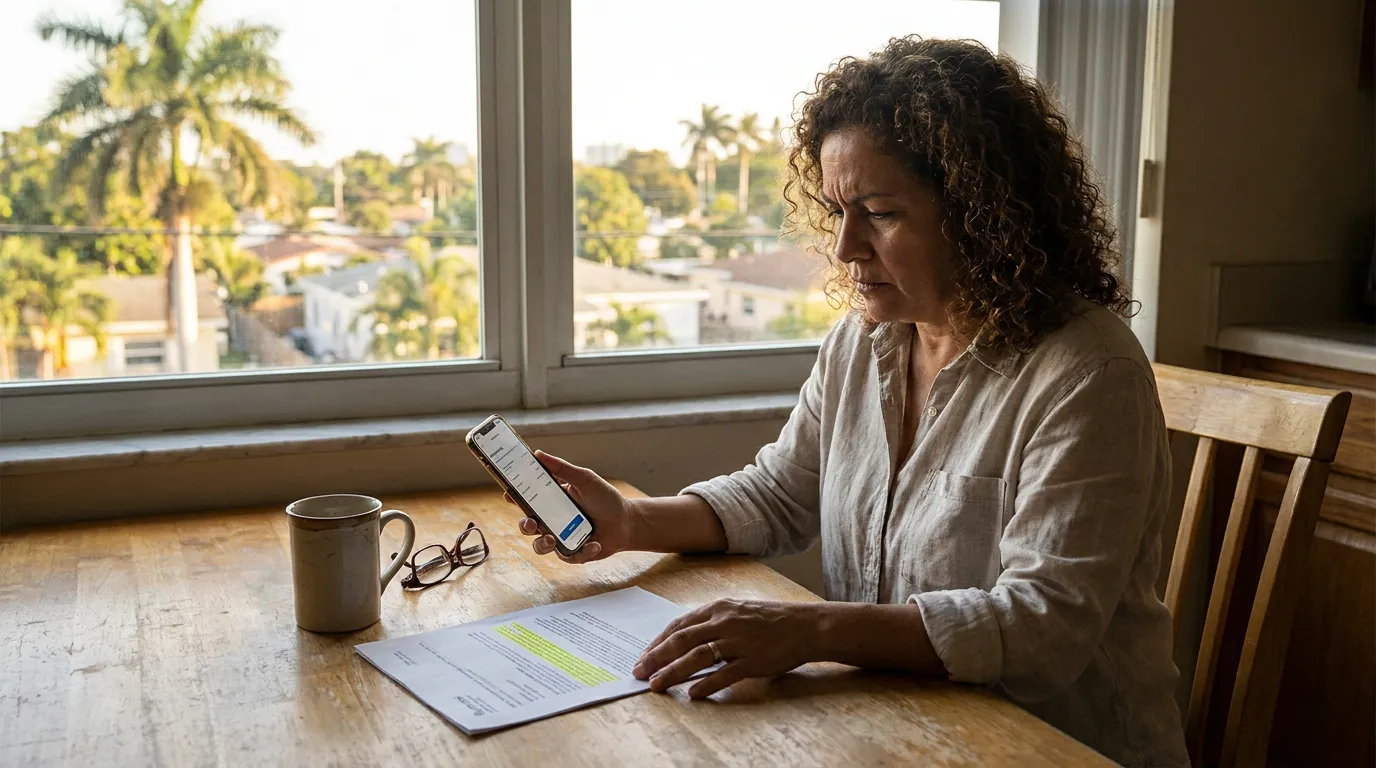
Imagine a retired Coral Gables couple who trusted a single advisor with a rollover nest egg built over decades. Their statements showed frequent trades they did not authorize and concentration in illiquid products they never understood. In July 2026, they saw a news alert that their broker had been barred, and they suddenly connected the losses to something more than a bad market. That moment of recognition is common, often arriving long after the damage is done.
For that couple, the bar is not a resolution but a starting point. A bar removes the broker from the industry, yet it does not return a dollar to harmed investors. Recovery generally requires a separate civil or arbitration claim aimed at the firm and the individuals who participated in the misconduct. Our discussion of recent FINRA bars involving a Miami broker walks through that distinction in detail.
Why Finra Rule 12206 Six-Year Eligibility Shapes Your Claim
In FINRA arbitration, the finra rule 12206 six-year eligibility rule is often the first hurdle a claim must clear. Under that rule, a claim generally is not eligible for arbitration if six years have elapsed from the event or occurrence giving rise to the dispute. The six-year period is an eligibility limit rather than a statute of limitations, and it does not extend or shorten any applicable statute of limitations. Because it is measured from the occurrence rather than discovery, it can quietly foreclose older claims.
The interplay between eligibility and statutes of limitations trips up many investors. The finra rule 12206 six-year eligibility rule does not replace Florida’s separate filing deadlines, and the two can operate independently. A claim may satisfy one clock while running afoul of the other. Courts and arbitrators interpret timing exceptions narrowly, so tolling or delayed accrual should never be assumed.
Florida’s civil deadlines add another layer that attorneys weigh carefully. These limitations periods vary by theory of recovery and defendant, subject to exceptions that depend on the facts:
- Ordinary negligence and professional malpractice: Florida generally applies a two-year period for negligence claims accruing on or after March 24, 2023 (claims that accrued before that date followed the older four-year period), with professional malpractice running from discovery through due diligence and generally limited to those in privity.
- Securities violations under Chapter 517: The action generally must be brought within two years from when the facts giving rise to the claim were or should have been discovered with due diligence, but in no event more than five years from the date of the violation.
- Claims against the state or its subdivisions: A separate pre-suit notice requirement applies under Section 768.28(6), which must generally be presented within three years of accrual (two years for wrongful death). The applicable statute of limitations varies by claim type — for example, general negligence claims are subject to a two-year deadline for claims accruing on or after March 24, 2023.
These deadlines are default rules, not guarantees, and they can shift with the facts. You can review the underlying text in Florida’s securities statute, which provides a private remedy against those who buy or sell securities in violation of the anti-fraud provision. That remedy extends to directors, officers, partners, and agents who personally participated in or aided the transaction, exposing individuals as well as firms to rescission or damages.
Turning Broker Disclosure Records Into Evidence
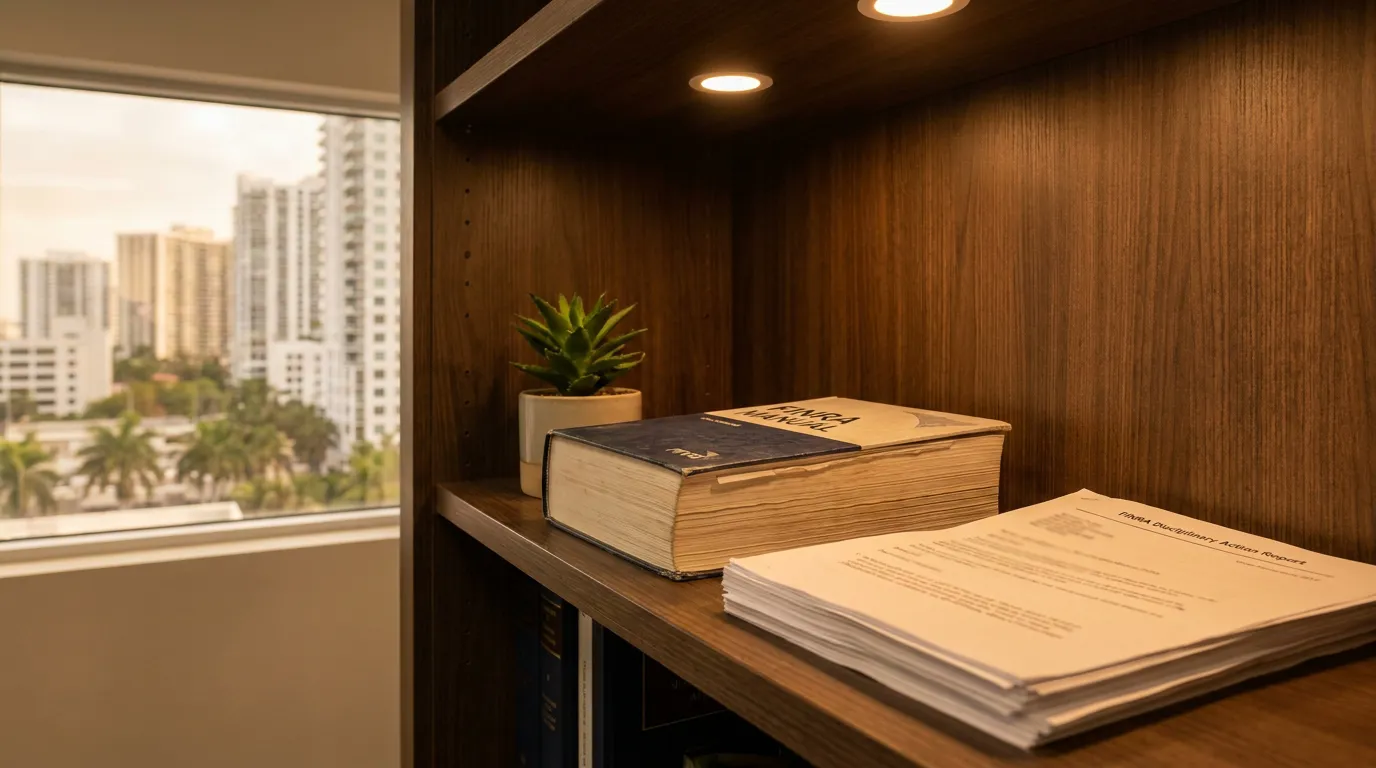
Public records frequently supply the first layer of broker misconduct evidence. FINRA’s Disciplinary Actions Online tool allows the public to search formal actions issued in 2005 or later under FINRA Rule 8313, and the Individuals Barred by FINRA list identifies those permanently prohibited from associating with any member firm. These sources help attorneys map a broker’s history and connect it to a specific account. They rarely tell the whole story, but they open the door.
Building a claim depends on private account records that the public database will never show. Trade confirmations, monthly statements, correspondence, and suitability documentation often carry the real proof of unauthorized trading, churning, or unsuitable allocation. Preserving these materials early is important, because gaps in the record can weaken an otherwise strong claim. An attorney handling investor claims across Florida can request and analyze this information within the arbitration process.
Building Broker Misconduct Evidence
A barred broker’s file gains meaning only when matched to measurable investor losses. The core of a stockbroker negligence case usually involves proving a breach of suitability or fiduciary duty, causation, and damages. A bar alone does not establish that your specific account was mishandled, so counsel typically reconstructs the account activity to show how the conduct caused loss. That analysis is fact-intensive and rarely identical from one investor to the next.
For those weighing whether to pursue recovery, understanding the process reduces uncertainty. Many investors do not realize their disputes with a brokerage firm may be required to proceed in FINRA arbitration rather than in court. Our overview of investment fraud and stockbroker misconduct explains how these claims are typically evaluated and where the practical challenges tend to arise.
How Does This Impact Me?
What Does a July 2026 Broker Bar Mean for My Losses?
A bar signals regulatory concern but does not automatically compensate you. It can be a reason to review your statements and consider whether misconduct affected your account. Whether recovery is available depends on your facts, the applicable deadlines, and the strength of the supporting records.
Does the Finra Rule 12206 Six-Year Eligibility Rule End My Claim?
Not necessarily, but it can bar older matters. The six-year eligibility period generally runs from the occurrence giving rise to the dispute. Because separate Florida deadlines may also apply, timing analysis should be done promptly rather than assumed.
Can I Recover if My Broker Only Refused to Cooperate With FINRA?
Possibly, because the reason for the bar and your losses are separate questions. A refusal to respond under Rule 8210 can produce a bar without any public finding about your account. You may still pursue a claim if the evidence shows the underlying conduct caused your losses.
What Should I Do Next as a Miami Investor?
Gather and preserve your account records and note key dates. Statements, confirmations, and correspondence often become the backbone of a claim. Because deadlines can be short and fact-dependent, reviewing your situation sooner is advisable.
Are Firms Liable, or Just the Individual Broker?
Both can be, depending on the facts. Florida law extends liability to agents and certain individuals who participated in a violating transaction, and firms may face responsibility for supervisory failures. The specific structure of the brokerage can affect who is properly named.
Where This Leaves Miami Investors
A July 2026 Rule 8210 bar is best read as an invitation to investigate, not a conclusion about your recovery. The bar removes a broker from the industry, yet the path to recovering losses runs through arbitration or civil claims governed by their own timing rules. Between the finra rule 12206 six-year eligibility limit and Florida’s varied statutory deadlines, the window to act can close faster than many investors expect. A careful, individualized review remains the most reliable way to understand your options.
If a barred broker may have affected your portfolio, informed guidance can help you weigh your next steps. The attorneys at Kaplan Rothstein Prüss Peraza, P.A handle stockbroker negligence and securities arbitration matters for investors in Miami and nationwide. You can call [(888) 578-6255]((888) 578-6255) or reach our team today to discuss how these developments may relate to your situation.