A March 2, 2026 FINRA notice could shape how investor claims are handled in the months ahead. For Los Angeles investors dealing with unauthorized trades, unsuitable recommendations, private-placement losses, churning, or suspected broker misconduct, FINRA’s latest request for comment signals that securities arbitration rules and procedures may change in ways that affect leverage, timing, and case strategy. When someone searches for a los angeles investment fraud attorney, they often face a hard question: how do I recover losses if the brokerage firm denies responsibility? FINRA’s Regulatory Notice 26-06 is directly relevant because it focuses on the forum where many investor disputes are decided.
Why FINRA’s 2026 Arbitration Review Deserves Attention From Investors
FINRA published Regulatory Notice 26-06 on March 2, 2026, with a comment period through May 1, 2026. The notice requests public comment on modernizing FINRA arbitration rules, focusing on forum selection, punitive damages, motions to dismiss, and arbitrator qualifications and training. Because FINRA arbitration is the primary forum for many investor-versus-broker disputes, this is an active review of the system many harmed investors must use to pursue recovery.
This is still a request for comment, not a final rule change. For Los Angeles readers, this distinction matters when understanding whether current claims are governed by existing procedures or whether future filings may be affected by reforms FINRA later proposes to its Board and the SEC. As of April 10, 2026, it signals direction rather than announcing a fully adopted new arbitration code. Investors can review FINRA’s own Regulatory Notice 26-06.
FINRA has framed this as part of its FINRA Forward modernization initiative. The notice explains that arbitration concerns were raised in earlier modernization comments, and FINRA now seeks broader input about how its arbitration forum should evolve. For investors, that means procedure may become a major story in 2026, not just the underlying fraud allegations.

A Los Angeles Scenario: When Procedure Affects Recovery
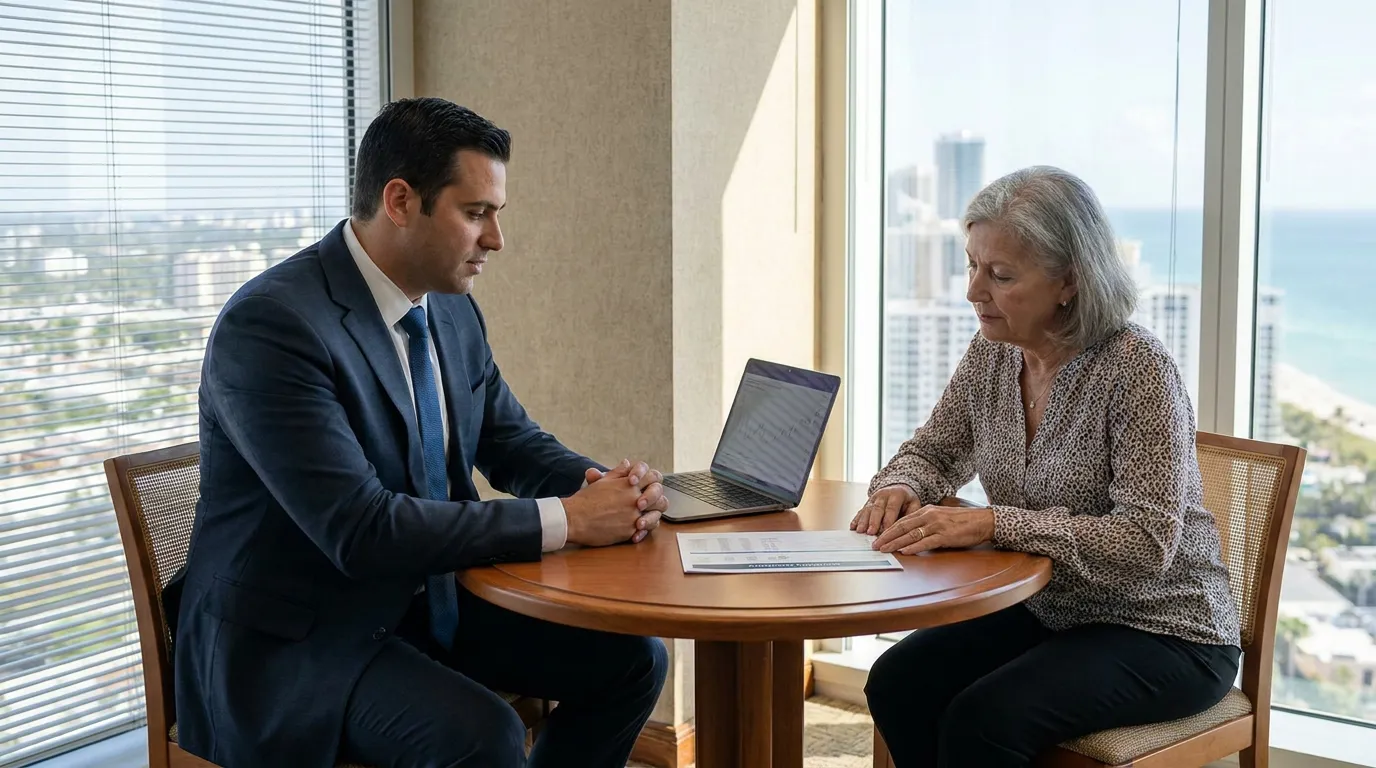
Imagine a retired couple in Los Angeles who moved savings into a high-risk private placement after repeated assurances the product was appropriate for conservative income goals. Months later, the investment deteriorates, and the couple suspects misrepresentation, unsuitable recommendations, and negligent supervision. They’re thinking about whether the process will be fair, how long it may take, and whether a successful result can actually be collected.
That is where this FINRA notice becomes practical. If the arbitration system changes how panels are selected, how dismissal motions are treated, or how punitive-damages issues are handled, those procedural details can influence the real-world path of an investor claim. A plaintiff-side lawyer would focus first on facts like suitability, disclosures, supervision, causation, and damages. But procedure matters because process affects cost, timing, settlement pressure, and evidence presentation.
Why investors should care about process
Most investors lose money because someone recommended the wrong product, omitted key risks, churned an account, made unauthorized trades, or failed to supervise misconduct. Yet once a dispute becomes a claim, procedural rules shape what happens next. That is one reason this reform notice deserves attention from anyone considering a claim with a los angeles investment fraud attorney.
The notice provides useful context about case outcomes. FINRA reported that customer arbitration cases closed in 2024 showed that 70 percent settled, 13 percent closed by award, with the remainder withdrawn, dismissed, or closed by other means. Many disputes resolve before a final award, which makes procedural fairness and case positioning important. For background on the arbitration framework, Justia’s overview of securities arbitration offers general information.
What FINRA Is Actually Reviewing in 2026
FINRA is asking whether the arbitration forum remains fair and efficient for all users. In Notice 26-06, the organization specifically flagged forum selection, punitive damages, motions to dismiss, and arbitrator qualifications and training as areas for comment. For harmed investors, these go to who decides the case, when the case can be cut short, and how severe misconduct may be treated.
Issues that may affect investor claims
Several topics could matter directly to investor-plaintiff strategy:
- Forum selection, which can influence who hears disputes and under what framework
- Motions to dismiss, which affect whether investors get a fair chance to develop facts before dismissal
- Punitive damages, which affect how claims involving serious conduct are framed
- Arbitrator qualifications and training, which go to confidence in decision-makers
- Award collection realities, including what happens after a claimant wins but the respondent does not pay
FINRA tied this request to broader rulemaking activity. In FINRA’s March 4, 2026 weekly update, the organization said its Board would consider proposals addressing arbitrator selection procedures. Investors and counsel should read the notice as part of an active reform environment. Readers can review FINRA’s weekly archive.
Recent changes already taking effect
Not every development is hypothetical. FINRA adopted amendments accelerating arbitration proceedings for parties who qualify based on age or health condition, effective March 30, 2026. That may be particularly important for older investors, seriously ill claimants, or families concerned that delay could weaken recovery ability.
FINRA identified other nearby arbitration changes that help put Notice 26-06 in context. Recent notices addressed accelerated processing and arbitrator list selection procedures, showing the forum is already evolving on technical and timing issues. For many victims, especially seniors, delay can be a form of prejudice.
Winning an Award Is Not Always the End of the Story
One useful part of Notice 26-06 is its discussion of unpaid awards and FINRA’s enforcement tools. FINRA states its rules require prompt payment of arbitration awards, and it can suspend members or associated persons who fail to pay a final award unless a recognized defense applies. That gives investors some enforcement structure inside the FINRA system.
But the notice underscores a limitation investor victims should not ignore. If a respondent is no longer within FINRA’s jurisdiction, collection can become harder, and a successful claimant may need to evaluate additional enforcement options. That is why experienced plaintiff-side counsel looks beyond liability alone and considers collectability, insurance, firm responsibility, supervision theories, and whether other parties may share exposure.
What This Means for Los Angeles Investor-Fraud Claims
For Los Angeles investors, the immediate takeaway is that FINRA is actively reconsidering the procedural architecture of the forum where many claims involving broker misconduct are brought. If you are evaluating losses tied to unsuitable annuities, margin abuse, unauthorized trading, Ponzi-type representations, hedge-fund misstatements, or private-placement sales practices, the rules governing arbitration procedure may matter as much as the merits.
This is especially true for investors who have delayed action. Deadlines can apply under arbitration rules, contracts, and substantive law. Whether a claim remains timely can depend on the product, the account documents, the forum, the governing law, and when the investor knew or should have known key facts.
That practical uncertainty is one reason people search for a los angeles investment fraud attorney before they are sure they have a case. A careful review can help identify whether the facts point toward misrepresentation, omission, unsuitability, breach of fiduciary duty, negligent supervision, unauthorized trading, or another theory of recovery. It can also clarify whether FINRA arbitration, civil litigation, regulatory cooperation, or receivership-related claims may be relevant.
Related Reading on Arbitrator Reform and Investor Protection
This March 2026 notice did not appear in a vacuum. Debate over FINRA arbitration structure, including who serves as arbitrator and how panels are selected, has been developing for years. Readers seeking additional perspective can review this discussion of the public arbitrator rule, which explains why arbitrator-selection mechanics matter in investor cases.
Investors seeking a more direct overview of misconduct claims should understand the underlying legal theories. Issues such as unauthorized trading, unsuitable recommendations, excessive risk concentration, and supervision failures often sit at the heart of these disputes. A general overview appears on this investment fraud page.
How Does This Impact Me?
Does FINRA’s March 2, 2026 notice change my case right now?
Not automatically. As of April 10, 2026, Regulatory Notice 26-06 is a request for comment, not a final rule change. Current claims are generally still governed by presently effective rules unless and until FINRA and, where required, the SEC adopt changes.
If my broker made unauthorized trades or sold me an unsuitable investment, do I still use arbitration?
Many investor disputes against brokerage firms are resolved in FINRA arbitration because account agreements often require it. The exact path depends on the parties involved, contracts signed, product type, and whether additional claims against non-FINRA parties exist. A los angeles investment fraud attorney can assess whether arbitration is the main route or whether parallel civil or regulatory options may also matter.
Does this notice affect deadlines to file?
The notice does not create a universal new filing deadline. However, timing remains critical. Statutes of limitation, arbitration eligibility rules, contractual provisions, and fact-specific tolling arguments may all apply. If you suspect fraud or broker misconduct, delay can make records harder to obtain and defenses easier to raise.
What if I win in arbitration but the broker or firm does not pay?
A favorable award is important, but collection is a separate issue. FINRA rules require prompt payment of final awards, and FINRA can suspend members or associated persons for non-payment absent a valid defense. Collection may become more difficult if the respondent has left FINRA’s jurisdiction, lacks assets, or requires additional enforcement action.
What should I do if I think this development affects me?
Start by gathering documents that tell the story of the investment relationship. That includes account statements, new account forms, emails, text messages, offering materials, trade confirmations, notes from calls, and any written complaints to the firm. If losses involve a broker, adviser recommendation, private placement, annuity, margin account, or concentrated strategy, prompt review by a los angeles investment fraud attorney may help clarify both merits and procedural options.
What Investors Should Watch Next
Between now and May 1, 2026, the most important development is whether FINRA receives substantial feedback that pushes specific procedural reforms forward. Investors, lawyers, firms, and industry groups may all weigh in, and the eventual shape of any proposal could affect case screening, motion practice, arbitrator selection, and expectations around awards.
For Los Angeles families, retirees, and small institutional investors, the practical lesson is straightforward. FINRA arbitration remains central to many recovery efforts, and March 2026’s reform notice confirms the system is under active review. If you are trying to understand whether suspected broker misconduct caused actionable losses, the key questions remain factual and case-specific: what was recommended, what was disclosed, what authority was given, what supervision existed, and what damages followed.
If you want help understanding whether these developments may affect a potential claim, Kaplan Rothstein Prüss Peraza, P.A. is available as a resource. You can call (888) 578-6255 or contact us today to request more information about possible next steps.