Understanding the Silent Threat of Trades You Never Approved
Key Takeaways: Unauthorized trading occurs when a broker buys, sells, or removes securities or funds from your account without your prior approval. FINRA standards require either transaction-by-transaction authorization or written discretionary authority. Florida investors gain protection from Section 517.301’s fraud prohibitions, Section 517.1217’s conduct rules, and heightened safeguards for seniors under FL § 517.34(2). Such trades often accompany churning, unsuitable recommendations, or concealment. Miami investors can use Section 517.211’s private remedies to pursue recovery through litigation or FINRA arbitration. Strong claims rely on account statements, written authorizations, communications, and evidence of related misconduct, while strict time limits make prompt action essential.
When a broker buys or sells securities in your account without your permission, that is unauthorized trading, and Florida law gives Miami investors real tools to push back. Unauthorized trading happens when someone moves your money or securities without your say-so, often discovered only after statements arrive. For South Florida investors, this represents both a betrayal of trust and a financial loss. Both federal industry rules and Florida’s securities statutes treat this conduct as a serious violation, providing a path toward recovery.
If you believe your account has been mishandled, the team at Kaplan Rothstein Prüss Peraza, P.A is ready to listen. Call our office at (888) 578-6255 or reach out through our secure contact page to discuss what happened.
What Counts as Unauthorized Trading Under the Rules
Unauthorized trading generally means a transaction placed in your account without your prior approval. FINRA prohibits brokers from purchasing or selling securities in a customer’s account without first contacting the customer and receiving authorization, unless the broker has received written discretionary authority or was given discretion as to price and time. Without written discretionary authority, your broker must check with you first.
A related violation involves taking assets out of your account entirely. FINRA separately lists removing funds or securities from a customer’s account without prior authorization as prohibited conduct. These standards reflect that you, not your broker, control your assets. Review the full list in FINRA’s prohibited conduct rules.
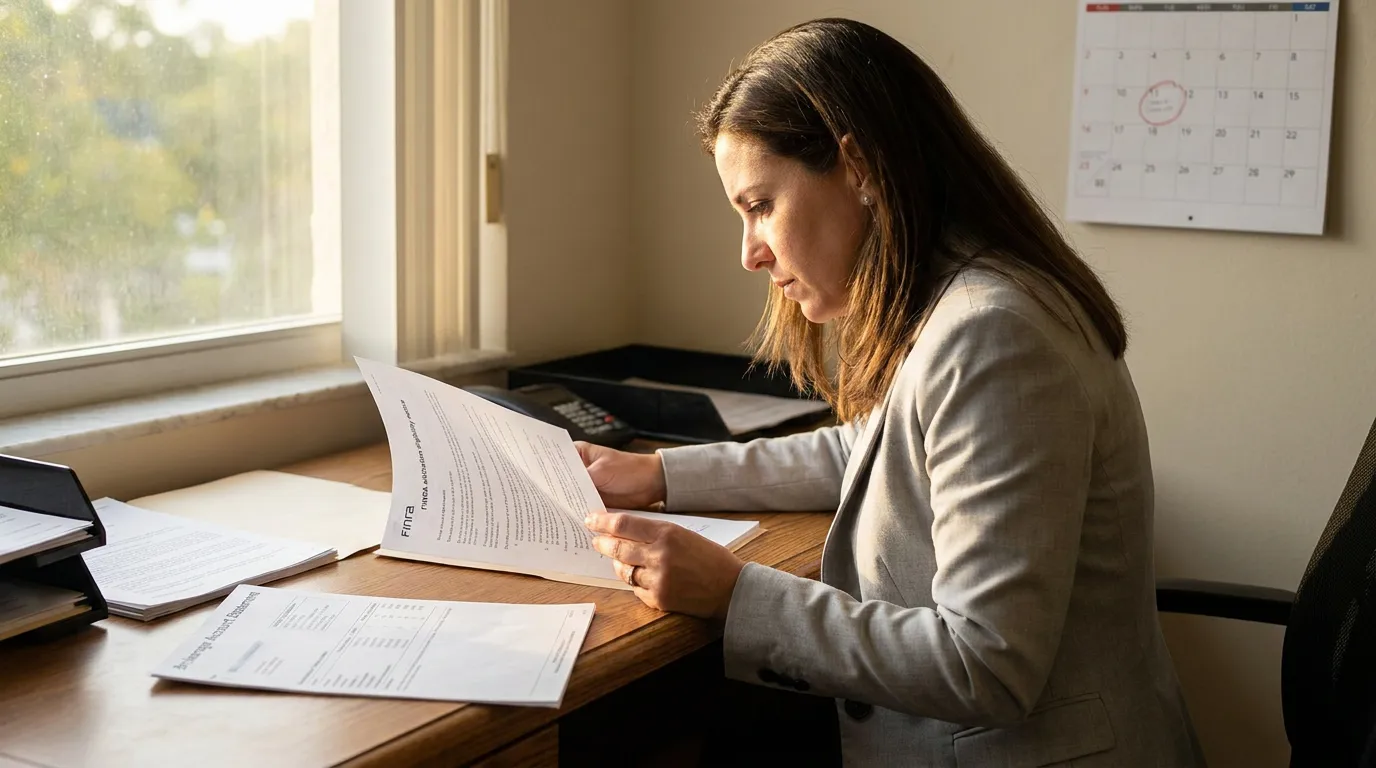
💡 Pro Tip: Read your monthly and quarterly statements line by line. Unauthorized trades are most often caught by investors who notice securities they never agreed to buy or positions that suddenly disappeared.
How Florida Securities Law Strengthens Your Position
Florida’s securities laws give Miami investors statutory grounds beyond industry rules. The core provision is Section 517.301, Florida Statutes, titled fraudulent transactions and falsification or concealment of facts. Under FL § 517.301(1), it is unlawful to employ any device, scheme, or artifice to defraud, obtain money through material misstatement or omission, or engage in any transaction that operates as fraud upon an investor. Unauthorized trades can fall within this language when a broker acts against your wishes and required fraud elements, such as intent, are present.
Concealment is treated just as seriously as the unauthorized act itself. Florida law under FL § 517.301(1)(a) prohibits investment fraud, and concealment can strengthen claims where a broker hid unauthorized trades or misrepresented account activity. Read the statutory framework in Florida’s securities statutes.
The conduct rules add another layer of definition. Section 517.1217 establishes rules of conduct and prohibited business practices for dealers and their associated persons, helping define what crosses the line into unauthorized trading.
Why Unauthorized Trading Often Travels With Other Misconduct
Unauthorized trades rarely appear in isolation, and recognizing the pattern matters. One frequent companion is excessive trading or churning. FINRA cautions that the amount or frequency of transactions may be excessive and not in a customer’s best interest. When a broker generates commissions through constant activity, unauthorized trades may be part of the same harmful scheme. A knowledgeable Miami investment attorney can help you understand how these claims overlap.
Suitability and best-interest standards often come into play. Under federal best-interest principles, brokers should not recommend transactions not in the customer’s best interest, given their age, financial situation, investment objective, risk tolerance, liquidity needs and experience. Brokers are also prohibited from guaranteeing customers against losses, charging excessive markups or commissions, and using manipulative or fraudulent methods. These overlapping duties mean a single account can present several distinct violations.
💡 Pro Tip: Keep copies of every email, text, and note from conversations with your broker. Contemporaneous records of what you did and did not authorize can become central evidence later.
Heightened Protection for Seniors and Vulnerable Investors
Florida law reflects a deliberate policy of protecting investors who face elevated risk. The Legislature found in FL § 517.34(2) that many persons, because of age or disability, are at increased risk of financial exploitation and loss of their assets, while recognizing the freedom of adults to manage their own assets and make investment choices.
That same statute encourages securities professionals to guard against exploitation. The Legislature intends to balance specified adults’ rights to direct and control their assets with the need to provide securities dealers the ability to place narrow, time-limited restrictions to reduce exploitation risk. When a broker executes unauthorized trades, that conduct runs against this legislative intent, reinforcing arguments for broker liability.
How Miami Investors Can Fight Back
Florida provides private remedies that let investors pursue recovery directly. Section 517.211, Florida Statutes supplies private remedies in cases of unlawful sale, and its provisions addressing violations of Section 517.301 can give Miami investors a statutory right of action. This is distinct from administrative processes and allows you to seek relief through litigation or arbitration depending on your agreements and facts.
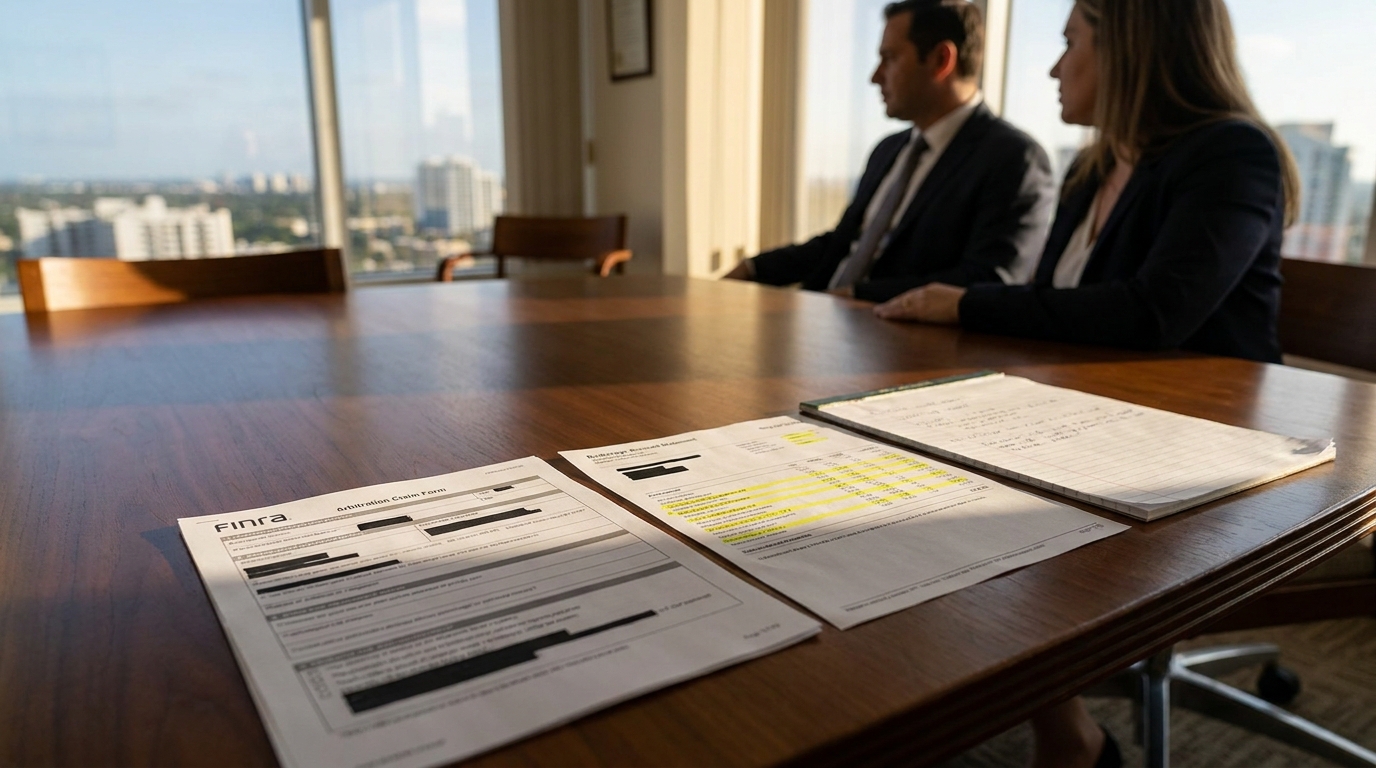
Many disputes proceed through FINRA’s dispute resolution forum. Investors can file an investor complaint and pursue arbitration or mediation through FINRA’s Investor Complaint Center and Dispute Resolution Services. There is also a Securities Helpline for Seniors at 844-574-3577, which provides assistance to senior investors with questions or concerns and may refer callers to FINRA’s complaint and dispute-resolution resources. Whether arbitration or court litigation fits your matter depends on your account documents.
Common building blocks of an unauthorized trading claim include:
- Account statements and trade confirmations showing unapproved transactions
- Written authorizations, or absence of any discretionary authority
- Communications reflecting your stated objectives and instructions
- Evidence of related conduct such as excessive activity or misrepresentations
Time limits can affect every securities claim. Statutes of limitations and discovery-based extensions are interpreted narrowly by courts and may apply only in limited circumstances. Civil filing deadlines differ from arbitration timelines. Because these deadlines turn on specific facts, evaluate your options promptly.
💡 Pro Tip: If something looks wrong on a statement, document your concern in writing close to the event to help preserve the timeline.
Working With an Investment Fraud Lawyer Miami Investors Trust
Pursuing an unauthorized trading claim is detailed work, and experienced guidance makes the process clearer. A plaintiff-focused investment fraud lawyer Miami residents rely on can review your statements, assess which Florida statutes and FINRA rules apply, and help frame the strongest version of your claim. Our firm handles matters involving broker misconduct Miami investors confront, including unauthorized trades, unsuitability, and excessive trading.
No two accounts are identical. The strength of an unauthorized trading matter depends on the documents, communications, and specific conduct involved. A seasoned investment fraud lawyer Miami families consult can offer a careful, fact-based assessment grounded in controlling law, helping you make informed decisions about how to proceed.
Frequently Asked Questions
1. What is the difference between unauthorized trading and discretionary trading?
Discretionary trading is permitted only when you have given your broker written authority. FINRA rules generally require either your authorization for each transaction or written discretionary authority on file, subject to a narrow exception for discretion limited to price and time. Without that documentation, trades placed without your approval generally qualify as unauthorized.
2. Does Florida law treat unauthorized trades as fraud?
It can, depending on the facts. FL § 517.301(1) prohibits schemes to defraud and material omissions in connection with securities transactions. Unauthorized trades coupled with concealment may fall within that statute. Whether particular facts meet the standard, including any required showing of intent, is case-specific.
3. Can I recover losses if my broker concealed the trades?
Concealment may strengthen your position. Florida law under FL § 517.301(1)(a) addresses investment fraud and concealment can support a claim, and Section 517.211 provides private remedies. Recovery depends on proof and applicable deadlines.
4. How long do I have to bring a claim?
Securities claims are subject to time limits that courts read narrowly. Civil statutes of limitations and discovery-based extensions may apply only under certain circumstances, and arbitration deadlines can differ. Prompt review of your situation is advisable.
5. Are older investors given any special protections?
Yes, Florida policy gives particular attention to seniors. FL § 517.34(2) recognizes that age or disability can heighten exploitation risk while affirming an investor’s right to control their own assets. This policy provides important context for claims involving vulnerable investors.
Protecting Your Accounts and Your Rights
Unauthorized trading strikes at the heart of the trust you place in a financial professional, and Florida law takes that breach seriously. Between FINRA’s prohibitions, the fraud provisions of Section 517.301, the private remedies in Section 517.211, and the protective policy of FL § 517.34(2), Miami investors have meaningful tools to respond. The key is recognizing the problem, preserving your records, and understanding how these authorities fit your specific facts. While no outcome can be guaranteed, informed action puts you in a far stronger position than silence.
If unauthorized trades have damaged your portfolio, the attorneys at Kaplan Rothstein Prüss Peraza, P.A are prepared to help you evaluate your options. Call (888) 578-6255 or send us a message through our online intake form to start the conversation about protecting your investments and your rights.